Best Time to Visit India: When to Go & What to Expect
This post contains affiliate links. If you book through one of my links, I may earn a small commission at no extra cost to you. Thank you for supporting Evie Travels!
The best time to visit India depends on where you are going. With snowy Himalayan mountains, tropical beaches, colorful cities, and lush green backwaters, India has several very different climates – sometimes at the same time.
Before my first trip to India, I spent a lot of time trying to figure out when I should go. And after actually traveling through the country, I realized that there isn’t one perfect month for all of India. The right time really depends on your itinerary.
I visited India in February and March, traveling through Delhi, Agra, Jaipur, and Kerala. That trip showed me just how dramatically the weather can change from one part of the country to another. Northern India was comfortable for sightseeing, while Kerala felt warm and tropical — almost like a completely different trip.
So, when should you visit India? In this guide, I’ll break down the seasons, weather, and best times to visit different parts of the country, based on both climate and my own experience traveling there.
Planning your India trip?
🗓️ Best time: October–March
🏨 Where to stay: Delhi · Jaipur · Agra · Kerala
🎟️ Top experiences: Golden Triangle · Kerala
📱 Stay connected: Get your Saily eSIM here & Save $5 with code EVIE5
🛡️ Travel insurance: protect your trip with SafetyWing
When to Visit India: The Best Time Overall
For most first-time travelers, the best time to visit India is between October and March.
This is generally considered the most comfortable travel season, with pleasant temperatures, lower humidity, and good conditions for exploring many of India’s most popular destinations.
The winter months are especially ideal for:
- Delhi and the Golden Triangle
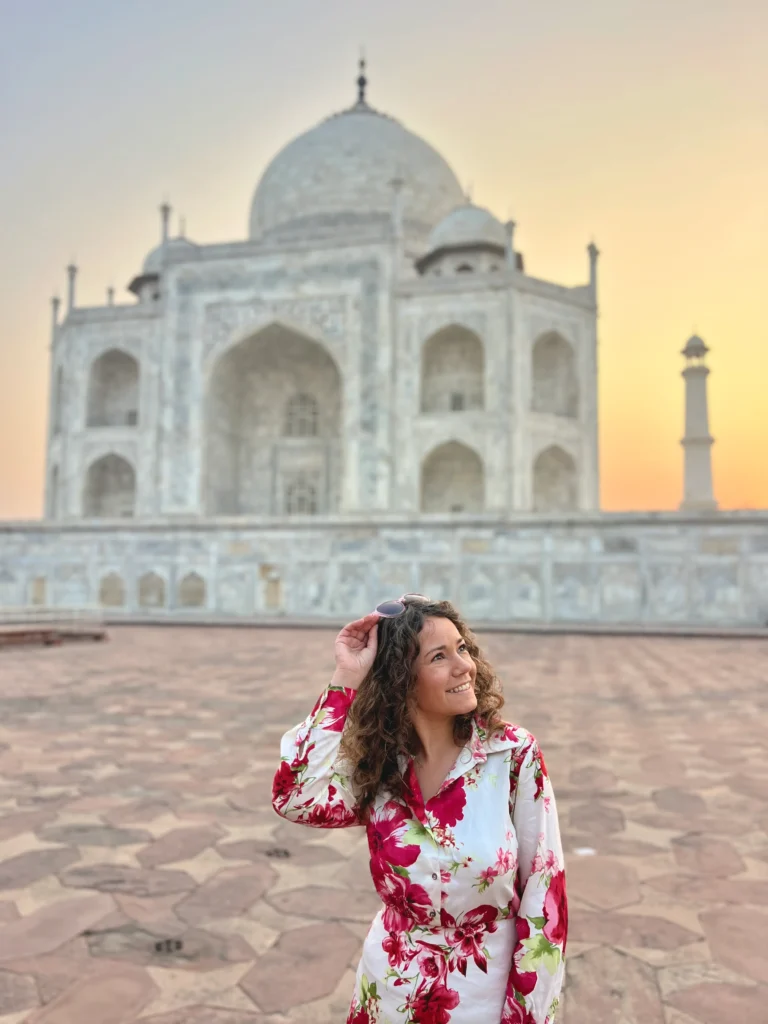
- Agra and the Taj Mahal
- Varanasi
- Kerala
- Goa
- Wildlife safaris
During my February trip, I found the weather in northern India very comfortable for sightseeing. Mornings in Delhi were cooler, Jaipur was pleasant for walking around forts and markets, and Kerala was warm without feeling overwhelmingly hot.
However, India is enormous, and the best month to visit India depends heavily on your itinerary. Someone planning a Himalayan adventure will have a very different answer from someone looking for a beach holiday in Goa.
The table below gives you a quick overview of the best months to visit some of India’s most popular destinations, so you can see how much conditions vary across the country.
| Destination | Jan | Feb | Mar | Apr | May | Jun | Jul | Aug | Sep | Oct | Nov | Dec |
|---|---|---|---|---|---|---|---|---|---|---|---|---|
| 🇮🇳 Delhi | ⭐⭐⭐ | ⭐⭐⭐ | ⭐⭐⭐ | ⭐⭐ | ⭐ | ⭐ | ⭐ | ⭐ | ⭐⭐ | ⭐⭐⭐ | ⭐⭐⭐ | ⭐⭐⭐ |
| 🕌 Agra | ⭐⭐⭐ | ⭐⭐⭐ | ⭐⭐⭐ | ⭐⭐ | ⭐ | ⭐ | ⭐ | ⭐ | ⭐⭐ | ⭐⭐⭐ | ⭐⭐⭐ | ⭐⭐⭐ |
| 🕌 Jaipur | ⭐⭐⭐ | ⭐⭐⭐ | ⭐⭐⭐ | ⭐⭐ | ⭐ | ⭐ | ⭐ | ⭐ | ⭐⭐ | ⭐⭐⭐ | ⭐⭐⭐ | ⭐⭐⭐ |
| 🛕 Varanasi | ⭐⭐⭐ | ⭐⭐⭐ | ⭐⭐⭐ | ⭐⭐ | ⭐ | ⭐ | ⭐ | ⭐ | ⭐⭐ | ⭐⭐⭐ | ⭐⭐⭐ | ⭐⭐⭐ |
| 🌴 Kerala | ⭐⭐⭐ | ⭐⭐⭐ | ⭐⭐⭐ | ⭐⭐ | ⭐⭐ | ⭐ | ⭐ | ⭐ | ⭐⭐ | ⭐⭐ | ⭐⭐⭐ | ⭐⭐⭐ |
| 🏖️ Goa | ⭐⭐⭐ | ⭐⭐⭐ | ⭐⭐⭐ | ⭐⭐ | ⭐ | ❌ | ❌ | ❌ | ⭐ | ⭐⭐ | ⭐⭐⭐ | ⭐⭐⭐ |
| 🏔️ Ladakh | ❌ | ❌ | ❌ | ❌ | ⭐ | ⭐⭐⭐ | ⭐⭐⭐ | ⭐⭐⭐ | ⭐⭐⭐ | ⭐ | ❌ | ❌ |
⭐⭐⭐ Excellent time to visit · ⭐⭐ Generally good · ⭐ Possible, but expect some weather compromises · ❌ Less ideal
India Weather by Month: Understanding India’s Seasons
India doesn’t really have one single travel season. The weather in the north can be completely different from the south, while Ladakh has an entirely different climate again.
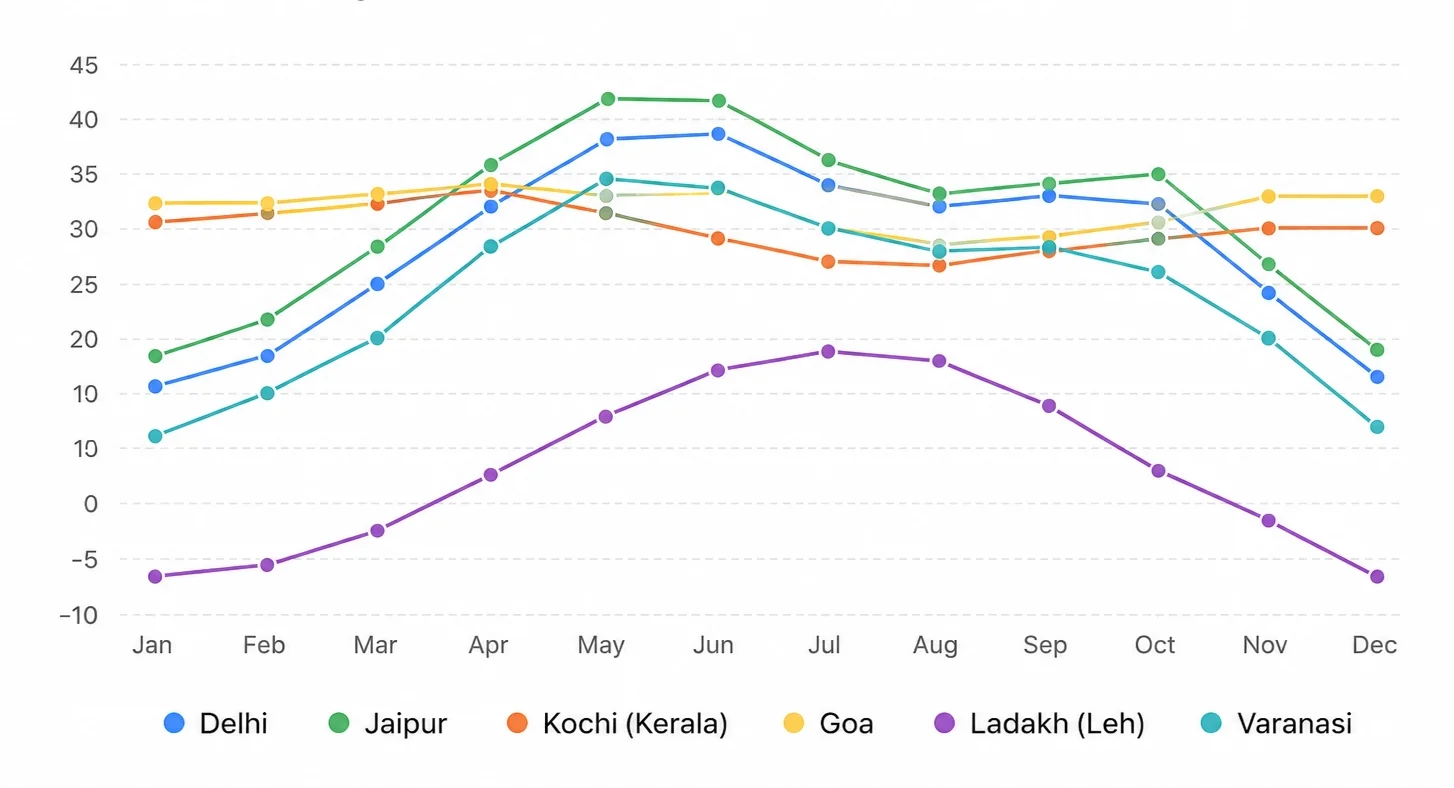
In broad terms, India has a cooler and drier season, a hot season, and a monsoon season. The charts below show how temperatures and rainfall vary throughout the year across different regions.
Temperature: Expect Big Regional Differences
Temperatures vary significantly by region. Northern India experiences much greater seasonal changes, while Kerala and Goa remain warm for most of the year. Ladakh is the biggest exception, with a short summer travel season and very cold winters.
Rainfall: The Monsoon Changes Everything
Rainfall is just as important as temperature, particularly when planning a trip during the summer and monsoon months.
The southwest monsoon generally begins around June and brings heavy rainfall and high humidity to large parts of the country. However, the timing and intensity vary considerably by region. Kerala and Goa, for example, can experience substantial monsoon rainfall, while Ladakh remains comparatively dry because it sits in the rain shadow of the Himalayas.
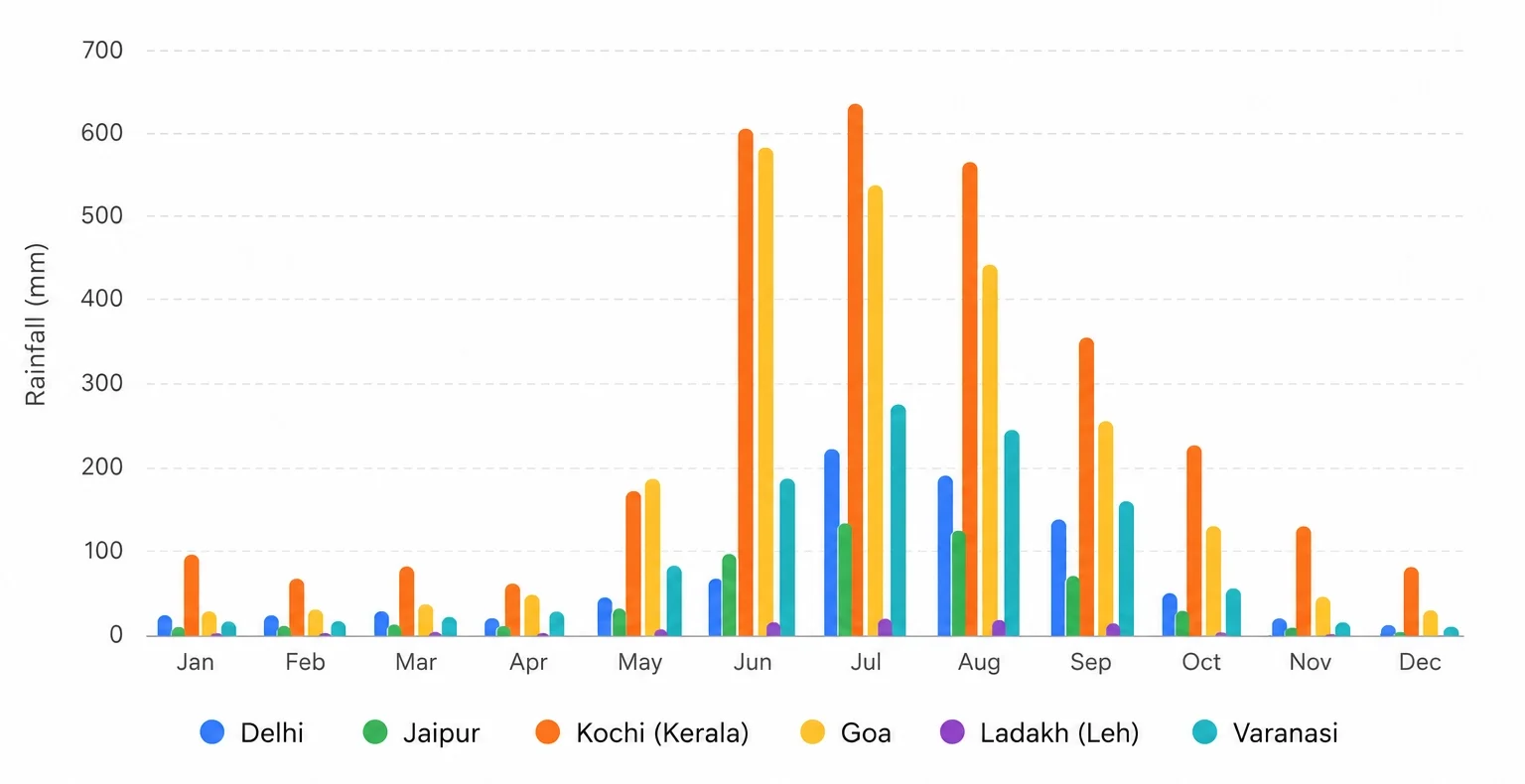
The takeaway? Don’t plan your trip around “India’s weather” as a whole. Always check the climate for the specific regions on your itinerary.
Visiting India in Winter (October–March)
Winter is generally the most popular time to visit India, especially for first-time travelers. For much of the country, October to March offers comfortable temperatures and relatively dry weather, making it easier to explore cities, historical sites, and outdoor attractions.
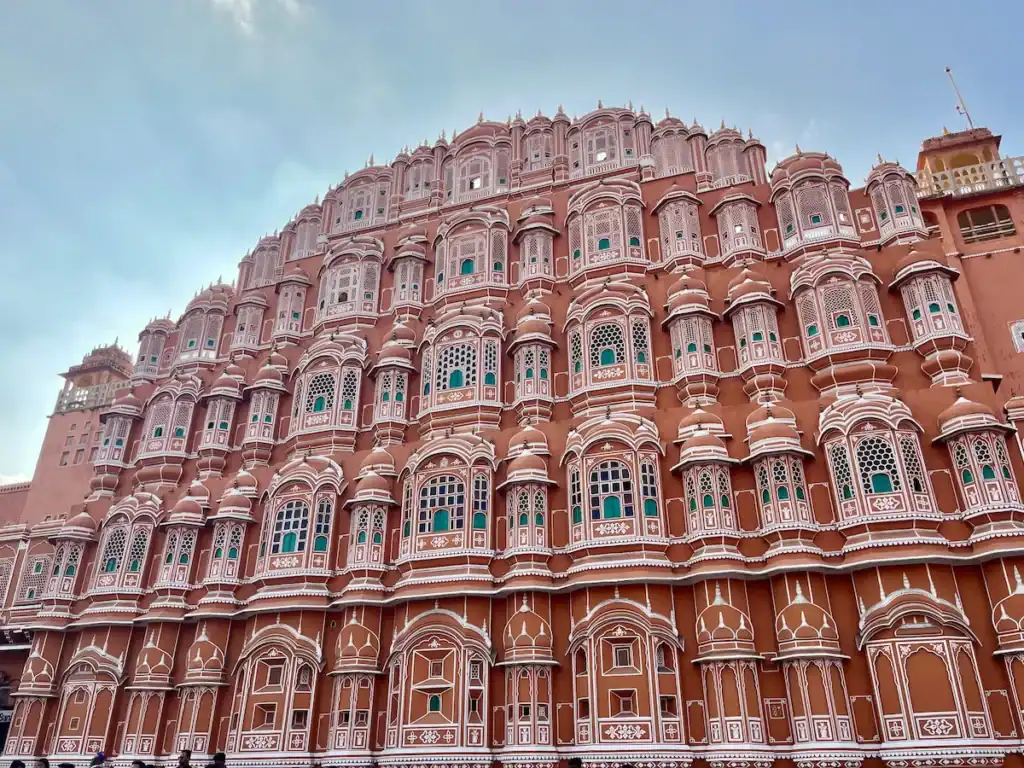
Best Time to Visit Rajasthan
If you are dreaming of colorful cities, magnificent forts, and desert landscapes, November to February is the best time to visit Rajasthan.
I personally loved visiting Rajasthan in February because the temperatures allowed me to spend long days sightseeing without struggling with extreme heat. Summer can be intensely hot, particularly in May and June.
Best Time to Visit Delhi and the Golden Triangle
For a classic first India itinerary including Delhi, Agra (Taj Mahal), and Jaipur, October to March is generally the best time to visit the Golden Triangle.
These months are much more comfortable for sightseeing and exploring historical sites. However, December and January can bring fog to Delhi and northern India, occasionally causing flight and train delays, so keep some flexibility in your itinerary.
Visiting the Golden Triangle?
Browse popular day trips, guided tours and experiences in Delhi, Agra and Jaipur.
Best Time to Visit Kerala
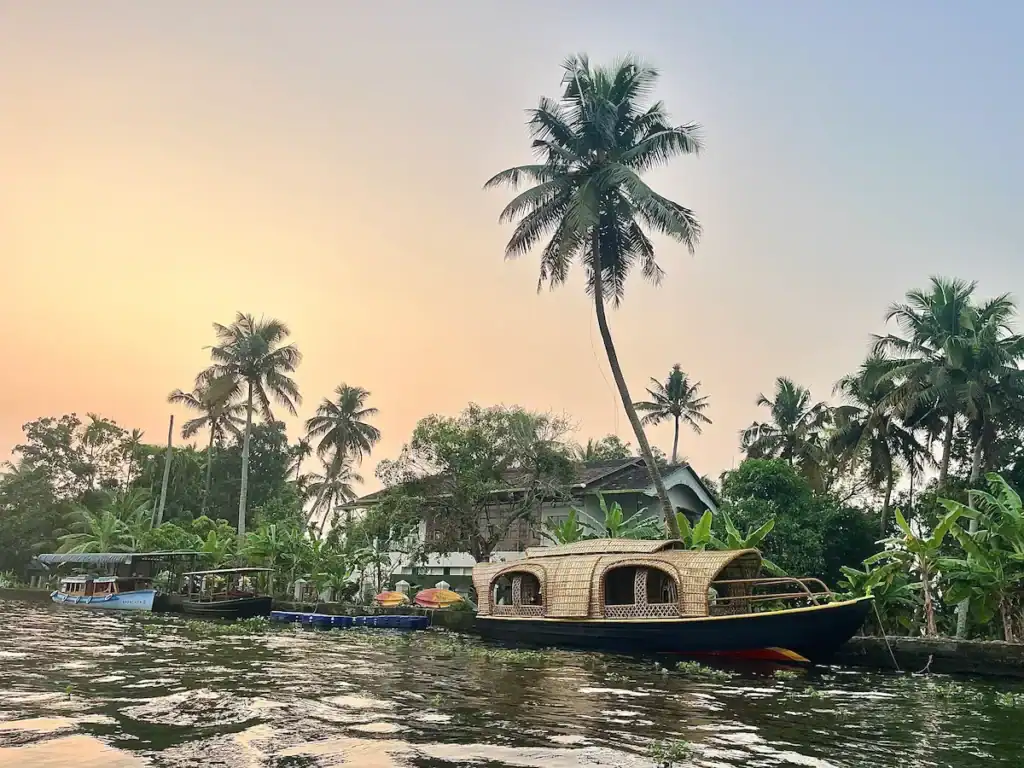
The best time to visit Kerala is generally November to March, when the weather is warm and relatively dry.
This is a great season for exploring the backwaters, beaches, tea plantations, and wildlife. During my trip, I loved how different Kerala felt from northern India — calm, tropical, and incredibly green.
Best Time to Visit Goa
For beaches and coastal travel, November to February is generally the best time to visit Goa.
These months bring warm temperatures, plenty of sunshine, and calmer seas. December is particularly popular because of the Christmas and New Year celebrations, although prices can be higher around the holidays.
Visiting India in Summer (April–June)
Summer can be challenging in much of India, particularly in the north and center. April and May are usually the hottest months, and temperatures in places such as Delhi and Rajasthan can become extremely uncomfortable for sightseeing.
However, summer is also the main travel season for some high-altitude destinations.
Best Time to Visit Ladakh and the Himalayas
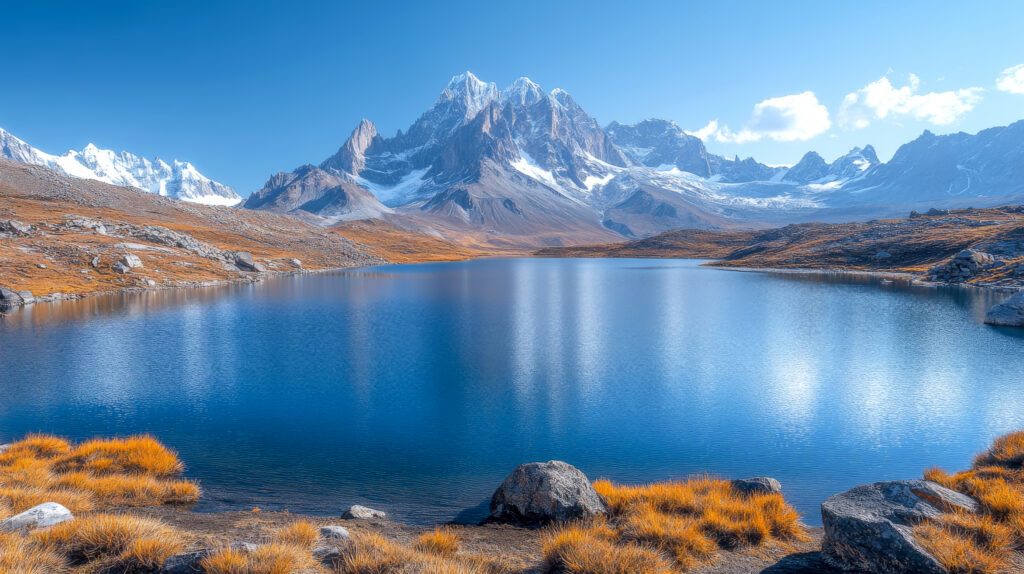
If mountains, trekking, and dramatic landscapes are your priority, summer can be an excellent time to visit the Himalayas.
May to September is generally the best time for Ladakh, as winter snow can make roads and trekking routes inaccessible.
For travelers who love hiking and nature like I do, this side of India offers a completely different experience from the country’s famous cultural cities.
Visiting India During Monsoon Season (June–September)
Many travelers automatically avoid India during monsoon season, but the rainy months aren’t necessarily a bad time to visit.
The monsoon transforms many parts of the country into incredibly green landscapes, while fewer tourists can make some destinations feel much quieter. The trade-off is that heavy rain can disrupt outdoor plans, so you’ll need more flexibility.
Best Time to Visit Kerala During Monsoon
Kerala is one of the most popular places to experience India’s monsoon. The rain turns the landscape especially lush and green, with dramatic waterfalls and fewer tourists.
If you enjoy nature and photography, this can be a beautiful time to visit. Just be prepared for heavy showers and changing outdoor plans.
Visiting Rajasthan During Monsoon
Rajasthan receives considerably less rainfall than many other parts of India, so traveling there during the monsoon is still possible.
However, temperatures can remain high and humidity increases, which can make sightseeing less comfortable. For a first trip, I would personally choose the cooler winter months instead.
Best Time to Visit India by Region
Because India is so diverse, choosing your destination first is often the easiest way to decide when to go.
Best time to visit Delhi
Best time: October–March
Ideal for sightseeing, historical monuments, and food tours.
→ Planning a Golden Triangle trip? Find hotels in Delhi, Agra and Jaipur on Booking.com.
Best time to visit Rajasthan
Best time: November–February
Ideal for exploring Jaipur, Jodhpur, Udaipur, and Jaisalmer.
→ Planning a Rajasthan trip? Find hotels in Jaipur, Jodhpur, Udaipur and Jaisalmer HERE!
Best time to visit Kerala
Best time: November–March
Ideal for beaches, backwaters, nature, and slower travel.
Exploring Kerala? Browse backwater cruises, local tours and experiences.
Best time to visit Goa
Best time: November–February
Ideal for beaches, relaxation, and coastal experiences.
→ Planning a Goa getaway? Find beach hotels and resorts HERE!
Best time to visit Ladakh
Best time: June–September
Ideal for mountains, trekking, and adventure travel.
Best time to visit Northeast India
Best time: October–April
Ideal for nature, hiking, and cultural experiences.
What Is the Cheapest Time to Visit India?
If you want lower prices and fewer crowds, consider traveling during the shoulder seasons.
Good options include:
- April
- September
- early October
You may find:
- cheaper accommodation
- fewer tourists
- better availability
The trade-off is that the weather may not be as comfortable as during peak season.
For budget travelers, India remains one of the most affordable destinations in the world, but booking accommodation and transport in advance can still save you stress.
📱 Traveling around India? An eSIM is one of the easiest ways to stay connected without dealing with local SIM cards. I recommend Saily for an easy setup before your trip. Save $5 with code EVIE5!
Is There a Worst Time to Visit India?
I do not think there is one universal “worst” time to visit India.
India is simply too diverse.
A month that feels impossible in Rajasthan might be perfect in Ladakh. A rainy month in Delhi might create beautiful landscapes in Kerala.
However, I would personally avoid:
- May in Rajasthan because of extreme heat
- Peak summer in Delhi if you plan lots of outdoor sightseeing
- Monsoon season if you have a very tight itinerary
My Recommendation: The Best Time to Visit India for First-Time Travelers
If you are visiting India for the first time and want to experience the classic highlights — Delhi, Agra, Jaipur, and Kerala — I would personally choose:
November to March
This period offers the best balance of comfortable weather and sightseeing conditions across these destinations. Ultimately, though, the best time to visit India is the time that matches your itinerary.
🛡️ Don’t forget travel insurance: India is a long way from home, and unexpected medical costs or travel disruptions can quickly get expensive. I personally recommend SafetyWing for flexible travel insurance.
Frequently Asked Questions About the Best Time to Visit India
What is the best time to visit India?
For most travelers, the best time to visit India is between October and March, when much of the country has cooler and drier weather. However, the ideal months depend on the region you want to visit. For a first trip combining Delhi, Agra, Jaipur and Kerala, I personally recommend February or March.
Which month is best for visiting India?
February is one of my favorite months for a first trip to India. Northern India is generally comfortable for sightseeing, while Kerala is warm and pleasant. March can also be a great option, although temperatures start rising in northern India toward the end of the month.
Is India too hot in summer?
It can be. April to June can be extremely hot in northern and central India, particularly in Delhi and Rajasthan. If you don’t handle heat well, I would avoid planning a sightseeing-heavy trip during May or June. Summer is much better suited to destinations in the Himalayas.
Is monsoon a good time to visit India?
It depends on where you are going. Monsoon season can bring heavy rain to many parts of India, but it also creates lush green landscapes and fewer tourists. Kerala can be particularly beautiful during the rainy season, while a packed sightseeing itinerary in northern India may be less convenient.
What is the best time to visit Rajasthan?
The best time to visit Rajasthan is generally November to February. The weather is much more comfortable for exploring cities, forts and palaces, while summer temperatures can become extremely hot.
How many days do I need for a first trip to India?
For a first trip, I would recommend at least two weeks. You can combine Delhi, Agra and Jaipur with another region such as Kerala, although you will need to allow enough time for domestic travel. If you have more time, three weeks or longer will give you a much more relaxed experience.
Final Thoughts
Choosing when to visit India can feel overwhelming at first, but once you understand the different regions and seasons, planning becomes much easier.
Whether you want to explore Rajasthan’s palaces, relax on Goa’s beaches, cruise Kerala’s backwaters, or hike through the Himalayas, there is a perfect season somewhere in India.
Check Out My Other India Travel Guides
→ Read my complete 2 Weeks in India Itinerary
→ Is India Safe For Solo Female Travelers? (2026 Guide)
→ Where to stay in Delhi: Best Areas & Hotels for Every Budget
→ Read my India eVisa Guide: How to Apply for an India Tourist Visa Online
→ Check my Ultimate India Packing List: What to Pack & Wear in India (Female Traveler Guide)
Check Out My Delhi Guides
- Where to Stay in Delhi: Best Areas for First-Time Visitors
- Best Things to Do in Delhi: 12 Places You Shouldn’t Miss
- My Perfect 3 Days in Delhi Itinerary: The Ultimate First-Time Guide (2026)